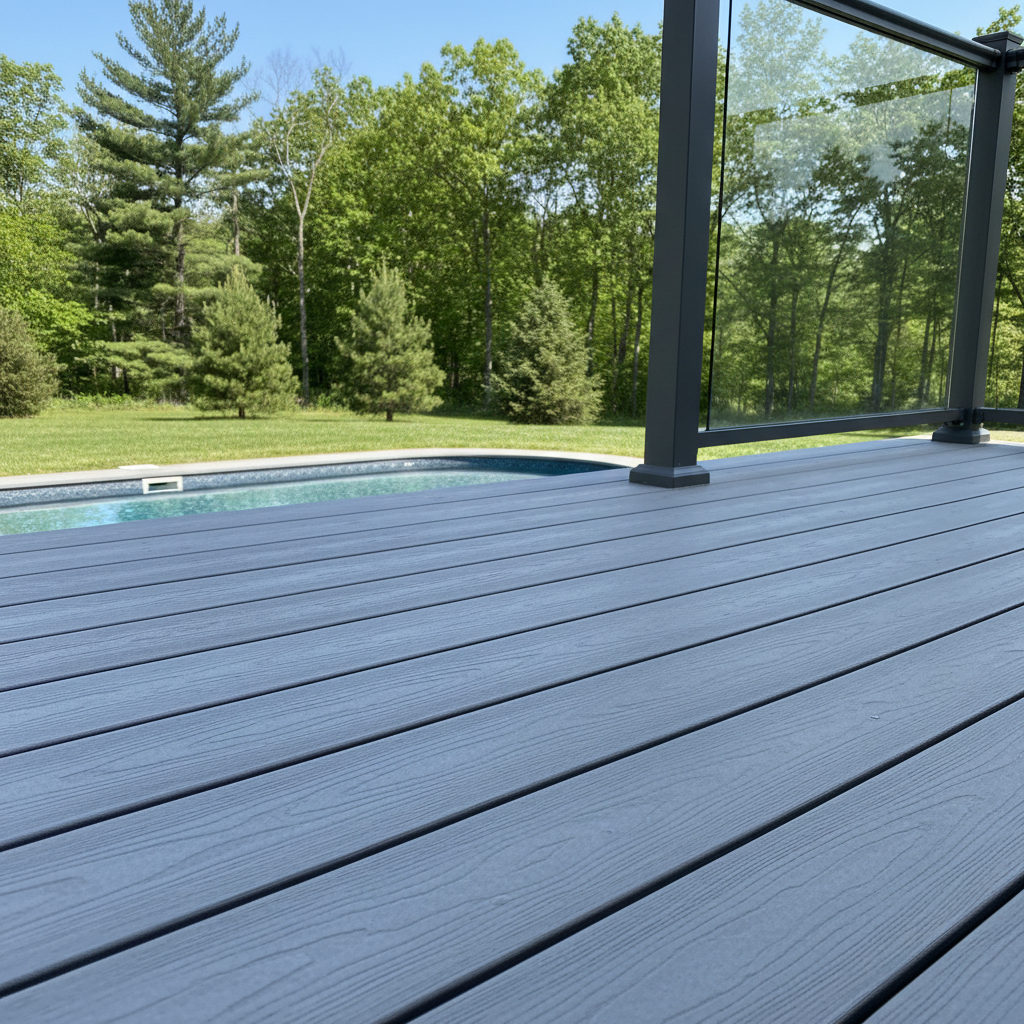
Got a pool? Then you know a good deck isn't just a luxury, it's a necessity. It's where you relax, where the kids drip water everywhere, and where you host those summer barbecues. Over the years, I've built plenty of pool decks right here in Manchester, from the older homes near the Cheney Mill District to the newer builds out by Buckland Hills. Homeowners always have questions, and that's good! You should. Here are the ones I hear most often, and my honest take on them.
What's the best material for a pool deck in CT?
This is probably the number one question. Look, there's no single 'best' for everyone, but for pool decks, composite decking is usually my top recommendation, especially around here. Why? Because it handles water and chlorine like a champ. Wood, even pressure-treated, needs a lot more upkeep. You're constantly sealing or staining it to protect against moisture and UV, and even then, it can splinter or rot over time. With composite, you get great slip resistance, it won't splinter, and it's practically impervious to water damage. Plus, you don't have to worry about chemicals from the pool affecting the material.
How do I keep my pool deck from getting too hot in the sun?
Another excellent question, especially with our hot Connecticut summers. Darker colors, whether it's wood or composite, are always going to absorb more heat. It's just physics. If you're sensitive to heat or have little ones running around barefoot, go for lighter colors. Many composite brands now offer 'cool touch' technology, which helps, but it's not magic – a light grey or tan will always be cooler than a dark brown or black. Also, consider the orientation of your deck. If it's in direct sun all day, even a lighter color will get warm. Sometimes, strategic landscaping or a pergola can help provide some shade, which makes a huge difference.
What kind of maintenance does a pool deck need?
This depends heavily on your material choice. If you went with wood, you're looking at annual cleaning, and then sealing or staining every 1-3 years, depending on the product and exposure. You'll also need to check for loose boards or splinters. With composite, maintenance is much simpler. A good wash down with soap and water, maybe a soft brush, is usually all it takes. I tell folks to do it a couple of times a season, especially after heavy use or if there's been a lot of pollen. Don't use a pressure washer on full blast, though; you can damage the surface. A gentle spray is fine.
Is a pool deck really necessary, or can I just have a patio?
You can certainly have just a patio, and many people do. But a deck offers a few distinct advantages, especially around a pool. First, drainage. Decks allow water to drain right through, which means less standing water and less slickness. Patios, unless sloped perfectly, can hold water. Second, elevation. If your pool is slightly above ground or your yard isn't perfectly flat, a deck can provide a seamless transition and a level surface that a patio might struggle with. Plus, a deck often feels softer underfoot than concrete or pavers, which is nice when you're constantly wet. It also gives you that elevated 'resort' feel that a patio often can't match.
How long does a pool deck typically last?
A well-maintained wooden deck might last 10-15 years, maybe 20 if you're really on top of the upkeep and you've got good quality wood. But you'll see wear and tear, and eventually, boards will need replacing. Composite decks, on the other hand, are built to last much longer. We're talking 25-30 years, often with warranties to back that up. They resist rot, insects, and fading far better than wood. So while the upfront cost might be a bit more, you save a ton in maintenance and replacement costs over the lifespan of the deck. It's an investment that pays off.
Do I need permits for a pool deck in Manchester?
Absolutely, yes. Any deck, especially one around a pool, will require permits from the Town of Manchester. This isn't just bureaucracy; it's about safety. They'll want to make sure the structure is sound, meets setback requirements, and has proper railings and gates, especially if your pool is fenced. Don't skip this step. It can cause huge headaches down the road if you try to sell your house or if there's an accident. As Manchester Deck Concepts, we always handle the permitting process for our clients, making sure everything is up to code before we even start swinging hammers.
What about slip resistance around the pool?
This is critical. You've got wet feet, splashing water, and people moving quickly. You need a surface that won't turn into an ice rink. Most quality composite decking brands are designed with good slip resistance in mind, often with textured surfaces. Some even have specific lines marketed for pool surrounds. If you're going with wood, make sure it's a material that doesn't get overly slick when wet, and consider adding non-slip treatments. Avoid anything too smooth or polished. Safety first, always.